⚡ Introduction: Why Your Charging Habits Matter More Than You Think
Smartphones are now essential tools in everyday life across the United States and Europe. Whether it’s remote work, navigation, or streaming, we rely heavily on our devices. However, one of the most overlooked issues is battery health degradation caused by poor charging habits.
Most users assume battery problems are due to age or manufacturing defects. In reality, it’s often daily charging mistakes that silently reduce battery lifespan.
Modern devices use lithium-ion batteries, which are powerful but sensitive. Small habits—like charging overnight or using low-quality accessories—can significantly impact long-term performance.
This guide breaks down the top charging mistakes that damage battery, explains why they matter, and shows you how to fix them using best practices backed by modern battery science.
Table of Contents
🔍 Understanding Lithium-Ion Battery Behavior
Before diving into mistakes, it’s important to understand how batteries work.
- ⚙️ Lithium-ion batteries have limited charge cycles
- 🌡️ Heat is the biggest enemy of battery health
- 🔋 Battery stress increases at 0% and 100%
- ⚡ Voltage and charging speed affect longevity
Keeping these principles in mind will help you understand why the mistakes below are harmful.
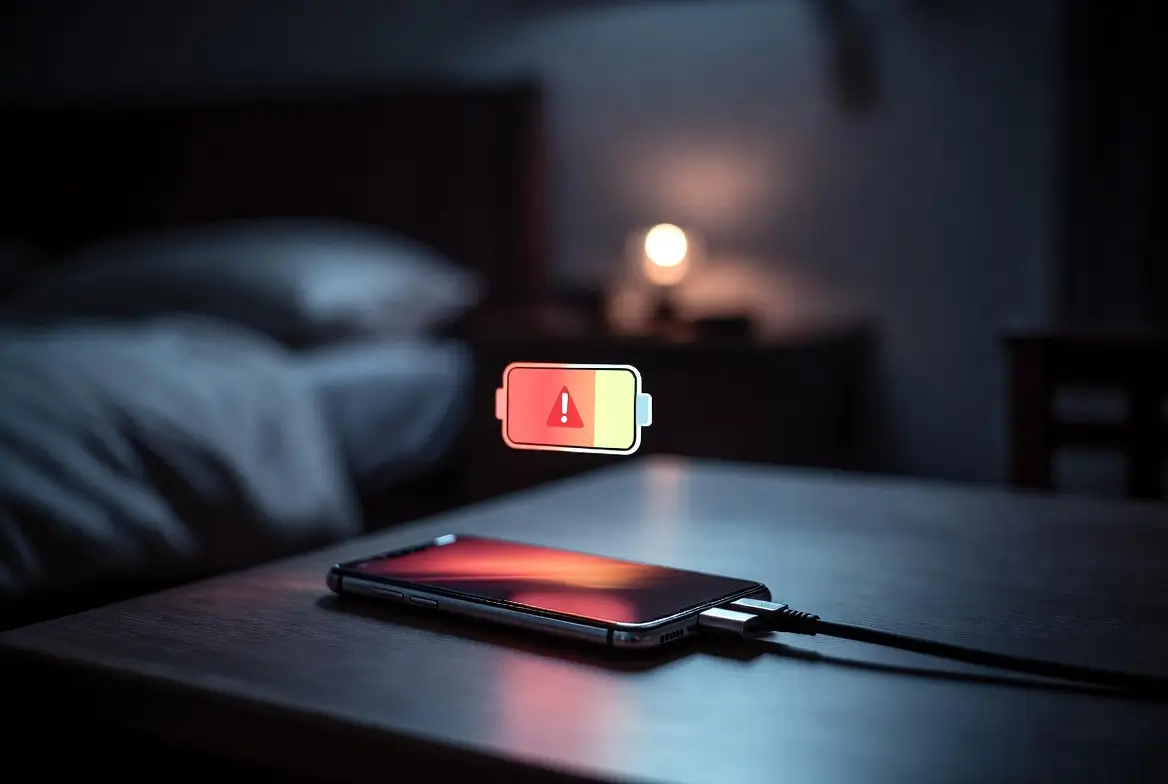
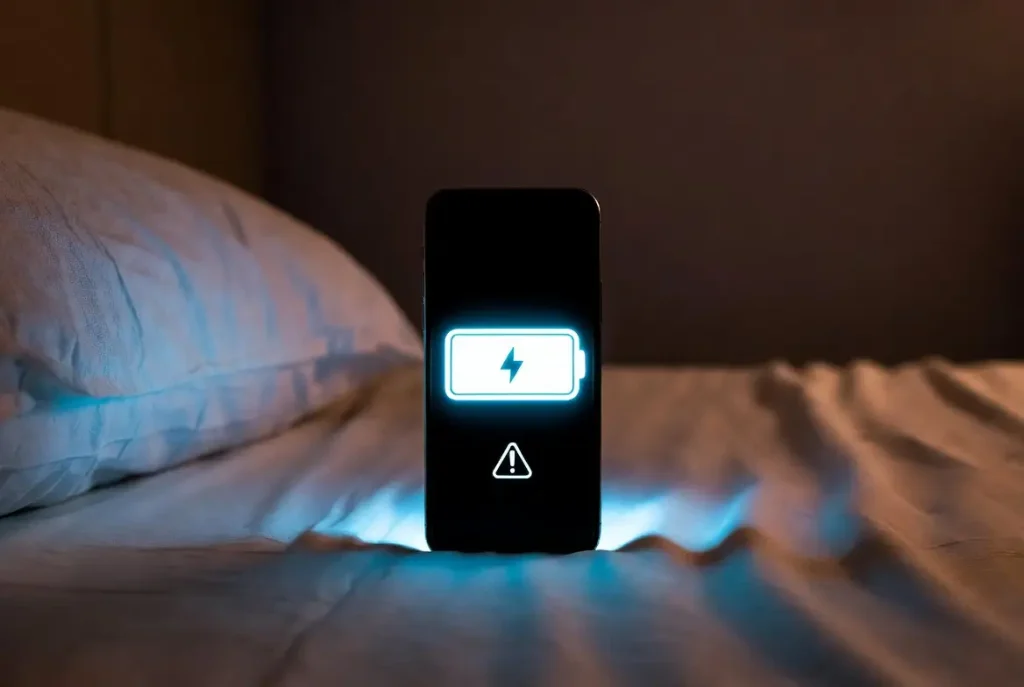
🚫 1. Charging Your Phone Overnight
⚠️ Why This Is a Problem
🔹 Continuous trickle charging:
When you leave your phone plugged in overnight, it reaches 100% quickly but continues receiving small “top-up” charges throughout the night. This constant micro-charging creates stress on the battery’s internal chemistry. Over time, it reduces the efficiency of lithium-ion cells and shortens overall battery lifespan. Even though modern devices try to optimize this process, it still leads to unnecessary wear.
🔹 Heat buildup during long charging hours:
Keeping your phone plugged in for 6–8 hours generates heat, especially if it’s under a pillow or on a soft surface. Heat accelerates chemical aging inside the battery, which can permanently reduce its capacity. In extreme cases, it may even cause swelling or overheating issues.
🔹 Battery held at 100% for too long:
Lithium-ion batteries experience voltage stress when kept at full charge. Staying at 100% for extended periods increases internal pressure, leading to faster degradation compared to maintaining a mid-range charge.
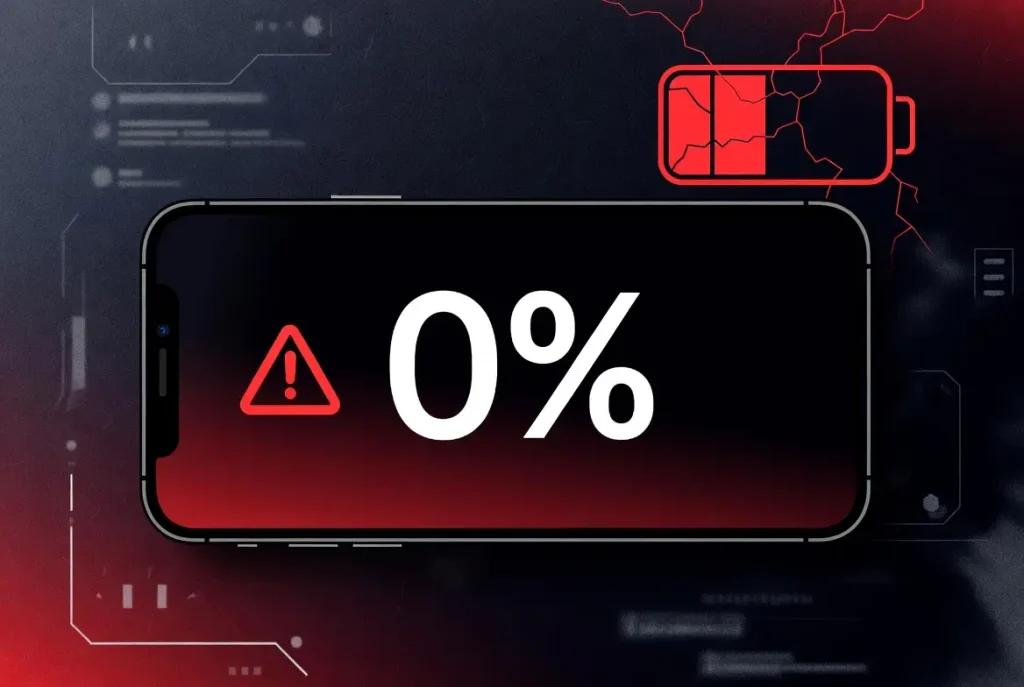
🚫 2. Letting Your Battery Drop to 0%
⚠️ Why This Is Harmful
🔹 Deep discharge damage:
Allowing your battery to reach 0% regularly puts it into a deep discharge state. This condition strains the battery cells and can permanently reduce their ability to hold a charge. Unlike older battery technologies, lithium-ion batteries are not designed for full discharge cycles.
🔹 Reduced charge cycle lifespan:
Every time your battery drops to zero, it counts as a full cycle. Frequent deep discharges reduce the total number of cycles your battery can handle, meaning it will wear out faster than expected.
🔹 Risk of battery instability:
In some cases, repeatedly draining the battery can cause calibration issues, leading to inaccurate battery percentage readings and unexpected shutdowns.
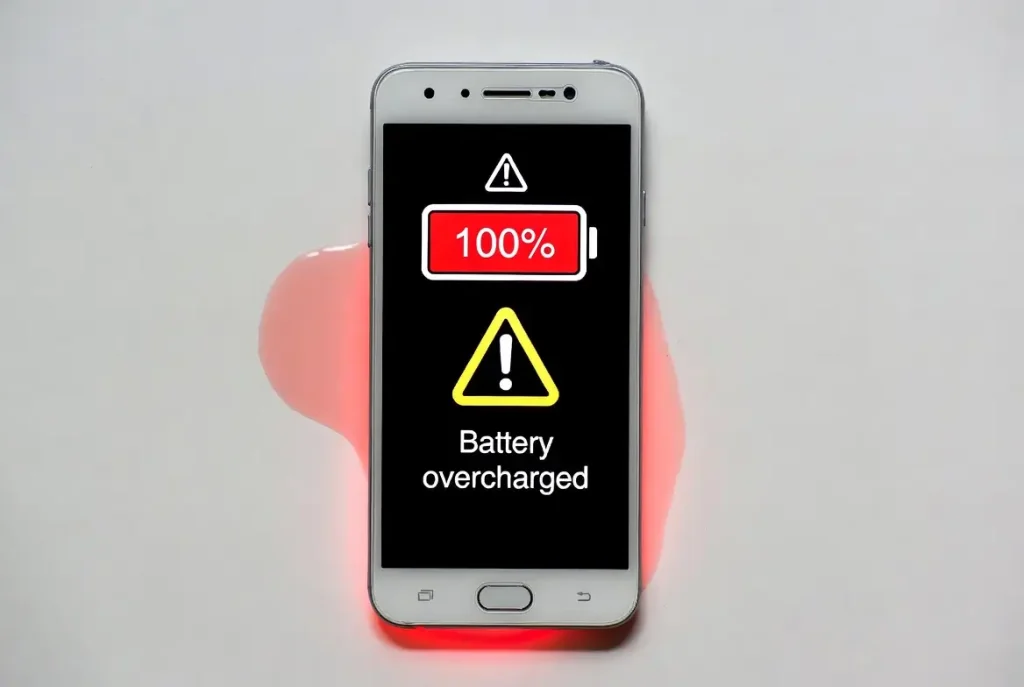
🚫 3. Charging to 100% Every Time
⚠️ Why You Should Avoid It
🔹 High voltage stress:
Charging your phone to 100% increases voltage inside the battery. This creates stress on lithium-ion cells, which accelerates chemical aging and reduces long-term efficiency.
🔹 Shortened lifespan over time:
While charging to 100% occasionally is fine, doing it daily can significantly shorten your battery’s lifespan. Batteries last longer when kept in a moderate charge range.
🔹 Better alternative exists:
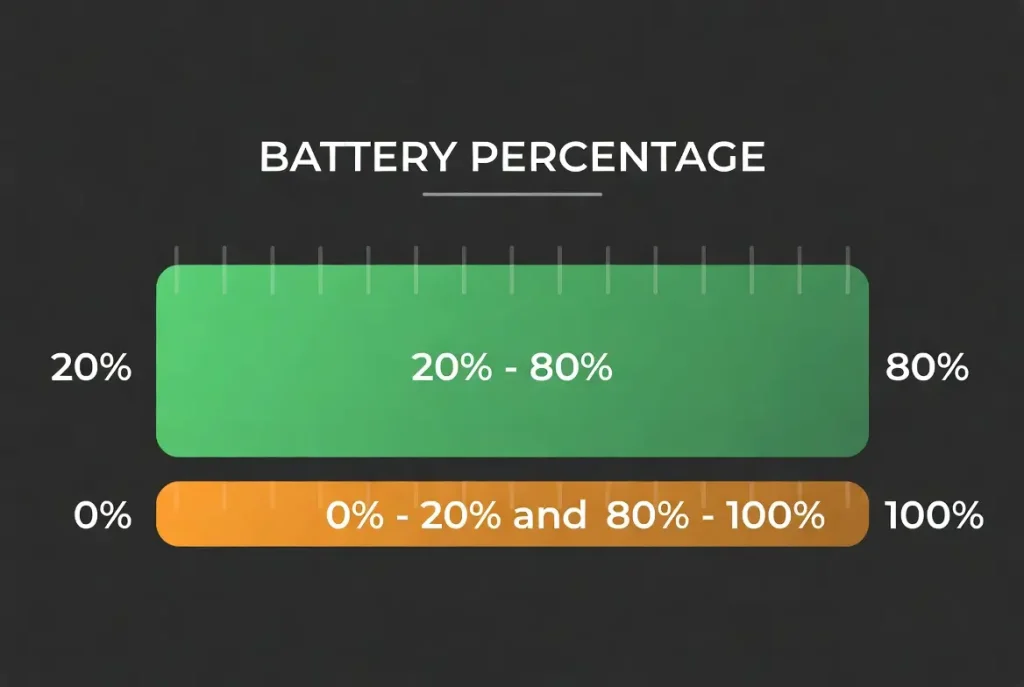
Keeping your battery between 20% and 80% reduces stress and improves longevity. Many modern smartphones even include optimized charging features to help maintain this range.
🚫 4. Using Cheap or Fake Chargers
⚠️ Hidden Risks You Should Know
🔹 Unstable voltage output:
Low-quality chargers often fail to regulate voltage properly. This inconsistency can damage your phone’s battery and internal components over time.
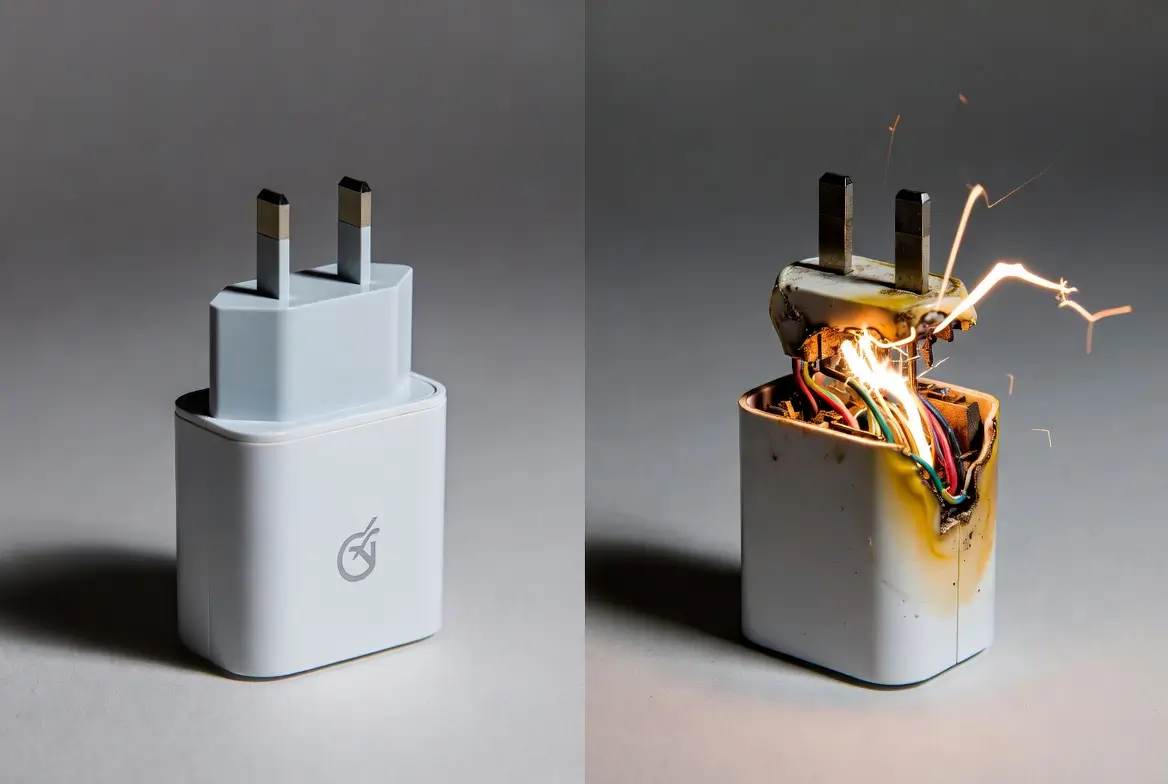
🔹 Overheating and safety risks:
Cheap chargers may lack proper insulation and safety mechanisms. This increases the risk of overheating, short circuits, or even fire hazards.
🔹 Long-term device damage:
Using non-certified accessories can degrade battery health faster and may even void your warranty. Investing in certified chargers ensures stable performance and safety.
🚫 5. Using Your Phone While Charging
⚠️ Why This Habit Is Dangerous
🔹 Double heat generation:
When you use your phone while charging, it produces heat from both charging and active usage. This combination significantly increases internal temperature.
🔹 Slower charging speed:
Using power-intensive apps like games or streaming services while charging reduces charging efficiency and prolongs charging time.
🔹 Accelerated battery wear:
Continuous heat exposure damages battery cells, leading to faster degradation and reduced lifespan.

🚫 6. Charging in Hot Environments
⚠️ The Impact of Heat
🔹 Thermal stress on battery cells:
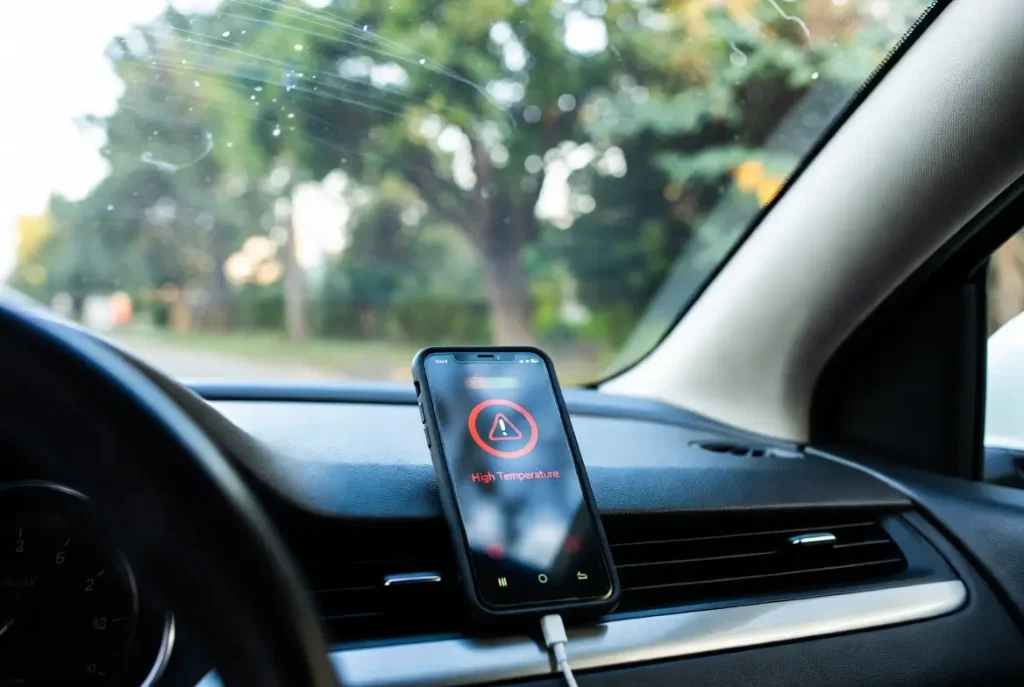
Charging in hot environments—such as inside a car or under direct sunlight—causes thermal stress that accelerates battery aging.
🔹 Permanent capacity loss:
High temperatures can permanently reduce battery capacity, meaning your phone will hold less charge over time.
🔹 Increased safety risks:
Extreme heat can lead to overheating warnings or even hardware damage in severe cases.
🚫 7. Relying on Fast Charging All the Time
⚠️ What You Need to Know
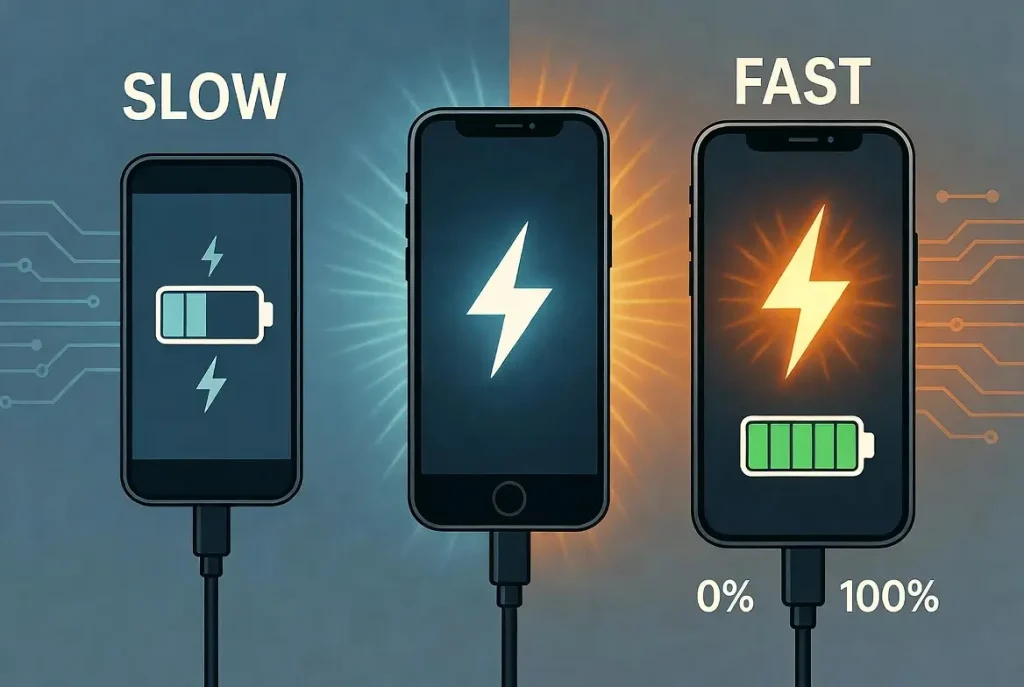
🔹 Higher heat production:
Fast charging pushes more power into the battery in a short time, which naturally generates more heat.
🔹 Increased internal stress:
Frequent fast charging can stress battery cells and reduce their lifespan over time.
🔹 Balanced usage is key:
Using fast charging occasionally is fine, but regular slow charging is better for long-term battery health.
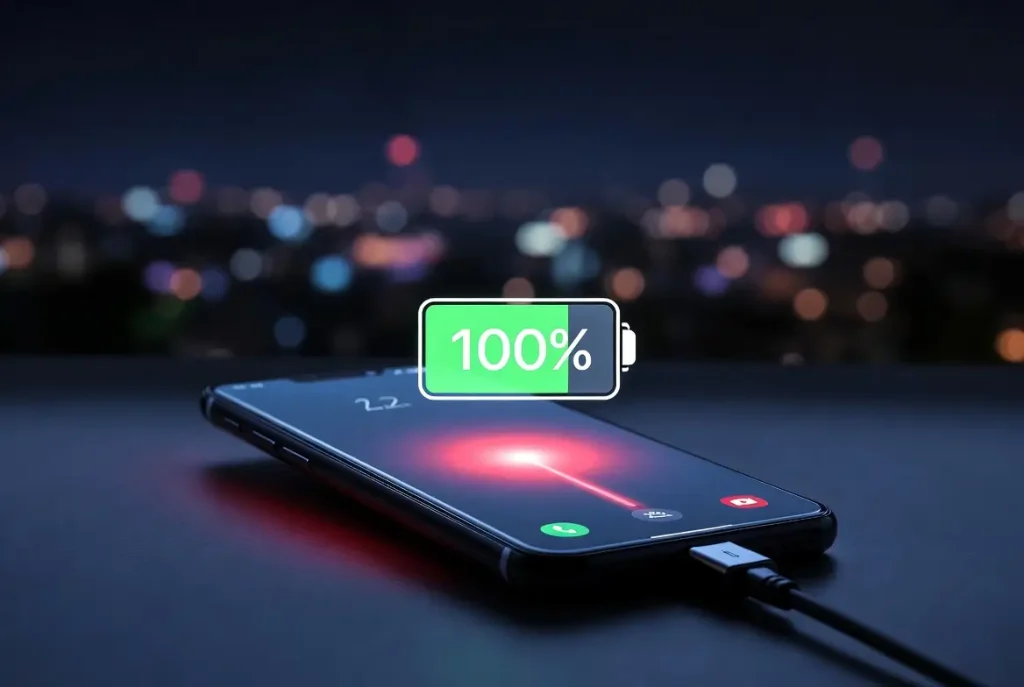
🚫 8. Keeping Your Phone Plugged in After Full Charge
⚠️ Why It Matters
🔹 Micro charge cycles:
Even after reaching 100%, your phone continues small charge cycles to maintain full battery. These cycles add unnecessary wear.
🔹 Constant voltage pressure:
Keeping the battery at full charge maintains high voltage levels, which accelerates degradation.
🔹 Better habit:
Unplugging your device once it’s charged helps reduce stress and extends battery life.
🚫 9. Ignoring Software Updates
⚠️ Hidden Benefits of Updates
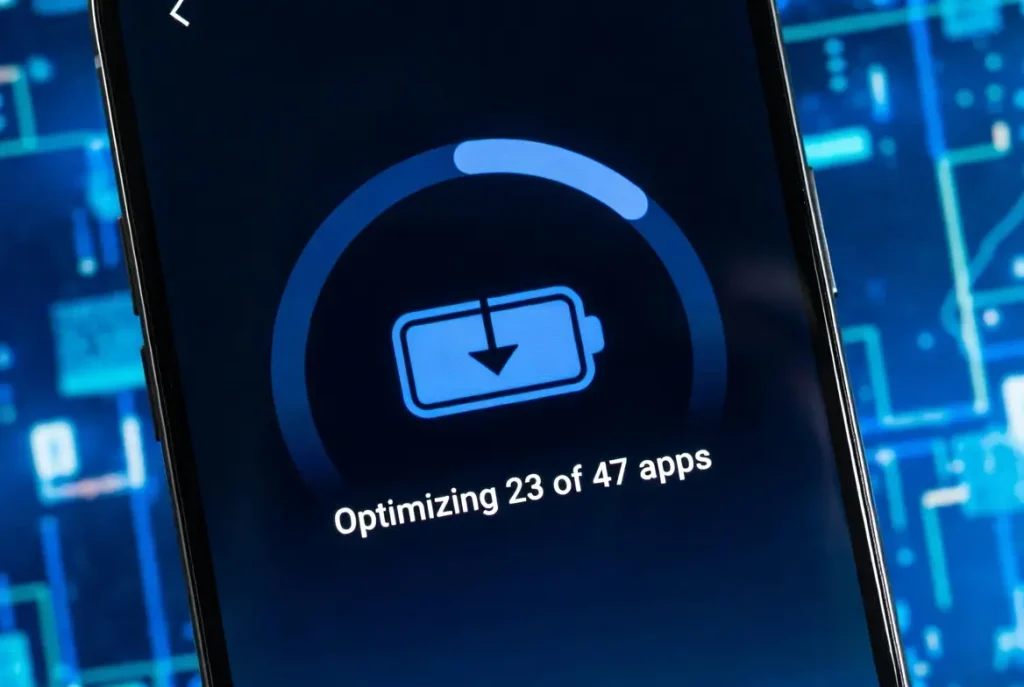
🔹 Battery optimization improvements:
Manufacturers often release updates that improve power efficiency and battery management.
🔹 Bug fixes affecting battery drain:
Software bugs can cause excessive battery usage, which updates typically resolve.
🔹 Enhanced charging algorithms:
Modern updates include smarter charging features that help preserve battery health.
🚫 10. Overusing Wireless Charging
⚠️ What Most Users Don’t Realize
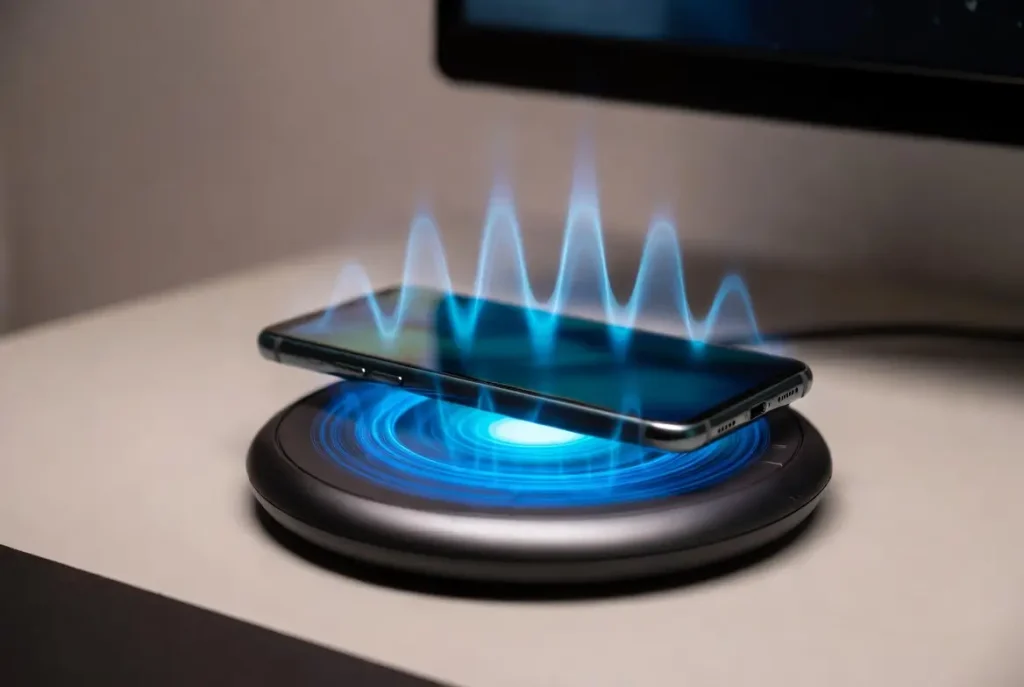
🔹 Heat generation:
Wireless charging is less efficient and generates more heat compared to wired charging.
🔹 Energy loss:
More energy is lost during wireless charging, which increases battery strain.
🔹 Moderation is important:
Using wireless charging occasionally is fine, but relying on it daily can reduce battery lifespan.
✅ Best Practices to Protect Battery Health
💡 Smart Charging Tips
- 🔋 Keep battery between 20%–80%
- ❄️ Avoid heat exposure
- ⚡ Use certified chargers
- 📱 Minimize usage while charging
- 🔄 Enable optimized charging settings
🚨 Signs Your Battery Is Already Damaged
- 🔻 Fast battery drain
- 🔥 Overheating issues
- ⚡ Sudden shutdowns
- 📉 Battery percentage jumps
- ⏳ Slow charging
If you notice these signs, consider replacing your battery.
🧠 Conclusion: Charge Smart, Not Hard
Battery health isn’t about luck—it’s about habits.
By avoiding these common charging mistakes, you can:
- Extend battery lifespan
- Improve phone performance
- Reduce overheating issues
- Save money on repairs
Small changes in your daily routine can make a huge difference over time.
❓ FAQs (SEO-Optimized for Google, Bing, Baidu & Yandex)
🔹 Is it bad to charge your phone overnight?
Yes, charging overnight can lead to heat buildup and micro charging cycles, which may reduce battery lifespan over time.
🔹 What is the best percentage to keep your battery?
The ideal range is between 20% and 80%, as it reduces stress on lithium-ion batteries.
🔹 Does fast charging damage battery?
Frequent fast charging can generate heat and stress battery cells, but occasional use is generally safe.
🔹 Are cheap chargers harmful?
Yes, low-quality chargers can deliver unstable voltage, leading to overheating and long-term battery damage.
🔹 How can I extend my phone battery life?
Avoid extreme charge levels, reduce heat exposure, use certified accessories, and follow smart charging habits.