
🧠 Introduction: Why Android & iPhone Tips Matter in 2026
Smartphones are no longer just communication tools—they are essential for productivity, business, entertainment, and daily life across the United States and Europe. However, most users only utilize basic features, leaving powerful capabilities untouched.
This comprehensive guide on Android & iPhone tips is designed using semantic SEO to help you:
- Improve phone performance
- Extend battery life
- Enhance privacy and security
- Optimize daily smartphone usage
Whether you are a beginner or an advanced user, these expert-level tips will help you unlock the full potential of your device.
Table of Contents
🚀 Android & iPhone Tips and Tricks (Complete Guide)
Below are the most powerful and practical smartphone tips explained in depth.
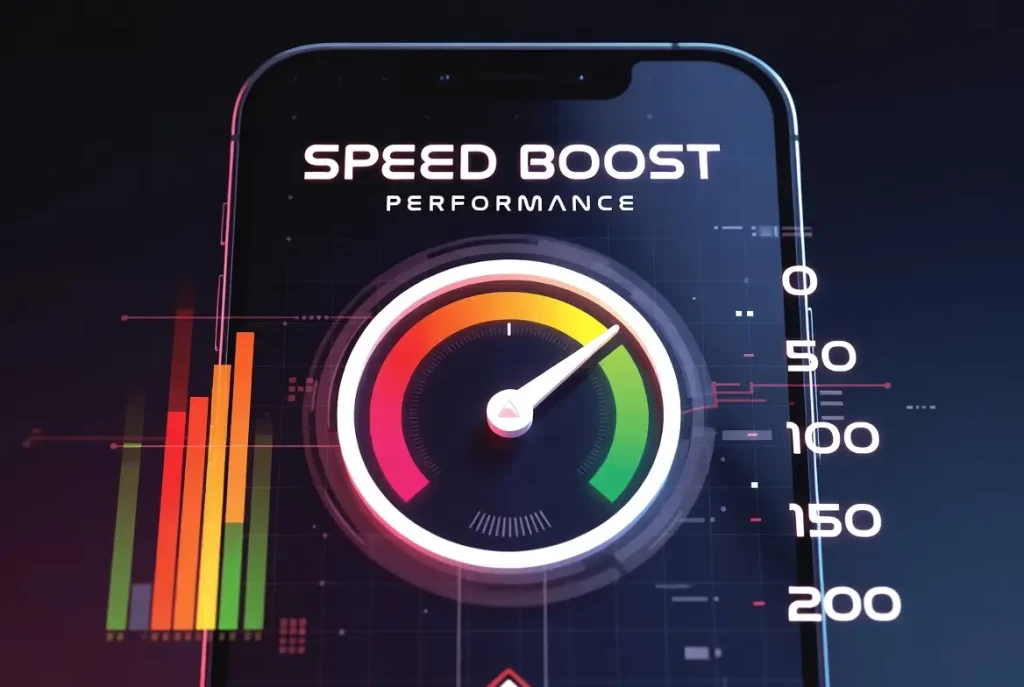
⚡ 1. Restart Your Phone Regularly
- 🔄 System Refresh and Performance Boost: Restarting your phone regularly clears temporary files, refreshes system memory (RAM), and stops unnecessary background processes that may slow down performance. Over time, apps continue running in the background, consuming system resources even when not actively used. Restarting helps reset these processes and improves overall speed. It also fixes minor bugs and glitches that may occur during prolonged usage. In addition, restarting enhances app responsiveness and reduces lag issues. For optimal performance, it is recommended to restart your device at least once a week. This simple habit ensures smoother operation and a more stable smartphone experience.
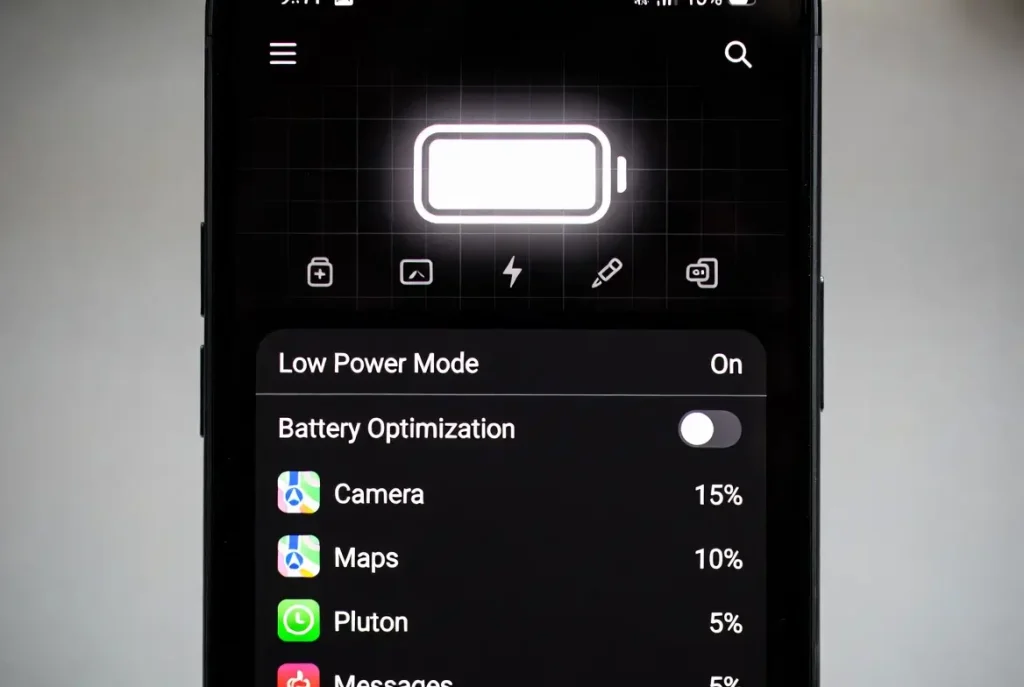
🔋 2. Enable Battery Saver Mode
- 🔋 Maximize Battery Life Efficiently: Battery saver mode is designed to extend your phone’s battery life by reducing background activity and limiting power consumption. It lowers screen brightness, disables unnecessary animations, and restricts apps from syncing in the background. This is especially useful during travel or emergencies when charging is not immediately available. On both Android and iPhone, this feature can be customized based on your usage preferences. Activating battery saver mode also reduces CPU performance slightly, which helps conserve energy. Over time, using this feature regularly can significantly improve battery longevity and reduce the frequency of charging cycles.
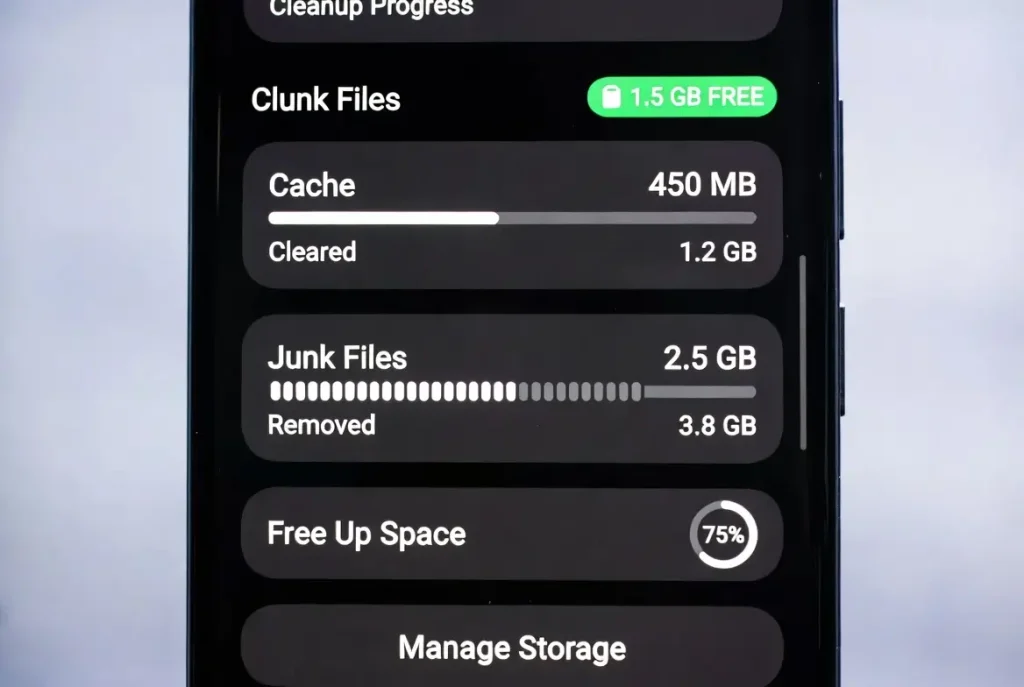
🧹 3. Clear Cache and Junk Files
- 🧹 Optimize Storage and Speed: Cached data accumulates over time as apps store temporary files to improve loading speed. However, excessive cache can slow down your device and consume valuable storage space. Clearing cache regularly helps free up memory and improves system efficiency. It also prevents app crashes and lag issues. On Android, users can manually clear cache for individual apps, while iPhones manage this process automatically to some extent. Removing junk files ensures smoother performance and faster app loading times. Maintaining clean storage is essential for keeping your smartphone running like new.
🔒 4. Review Privacy Settings
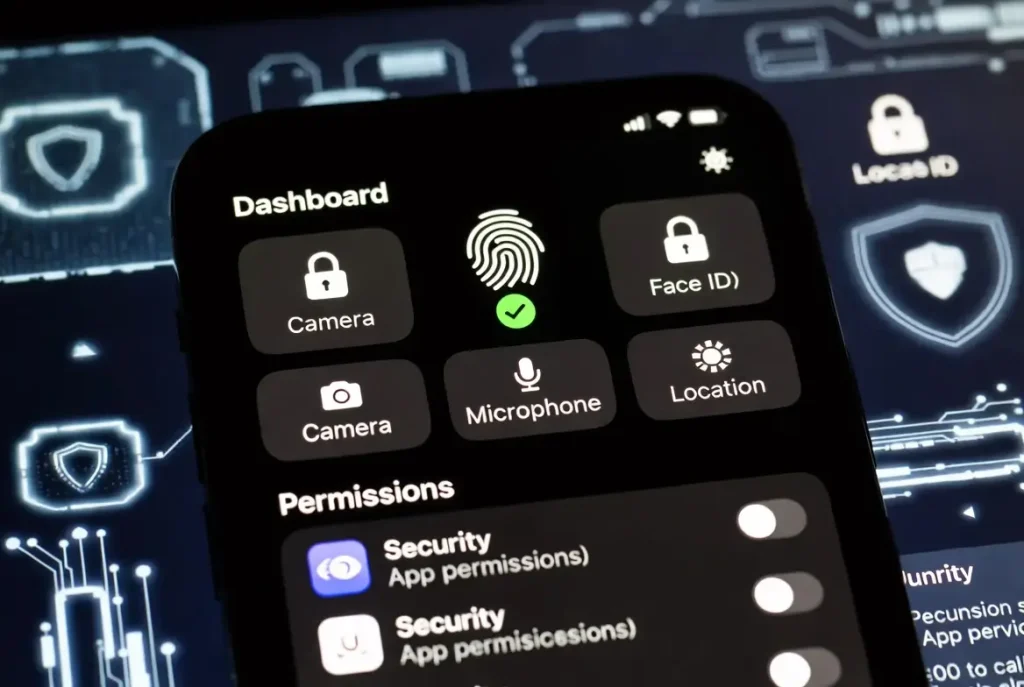
- 🔐 Protect Your Personal Data: Privacy settings allow you to control which apps have access to sensitive information such as location, camera, microphone, and contacts. Regularly reviewing these settings ensures that only trusted apps have necessary permissions. Many apps request access that is not essential for their functionality, which can pose security risks. Disabling unnecessary permissions reduces the chances of data misuse and enhances overall security. In today’s digital environment, protecting personal information is critical, especially for users in regions with strict data protection regulations like Europe and North America.
📶 5. Turn Off Background App Refresh
- 📡 Improve Performance and Save Data: Background app refresh allows apps to update content even when not in use, which can consume both data and battery. Disabling this feature for non-essential apps helps conserve resources and improves device performance. It is particularly beneficial for users with limited data plans. By controlling background activity, you ensure that only important apps continue to run, reducing unnecessary load on the system. This leads to better battery efficiency and a smoother user experience.
🚀 6. Update Your Software Regularly
- 🔄 Stay Secure and Optimized: Software updates include critical security patches, bug fixes, and performance improvements. Keeping your device updated ensures protection against vulnerabilities and enhances functionality. Updates often introduce new features that improve user experience. Ignoring updates can lead to compatibility issues and reduced performance. Regular updates keep your smartphone aligned with the latest technology standards and security protocols.
📸 7. Use Grid Lines for Better Photos
- 📷 Enhance Photography Skills: Grid lines help align your shots using the rule of thirds, a fundamental photography principle. This improves composition and makes photos more visually appealing. By positioning subjects along grid lines, you create balanced and professional-looking images. This feature is especially useful for social media and content creation. Both Android and iPhone cameras offer this option in settings, making it easy to enable and use.

🔔 8. Customize Notifications
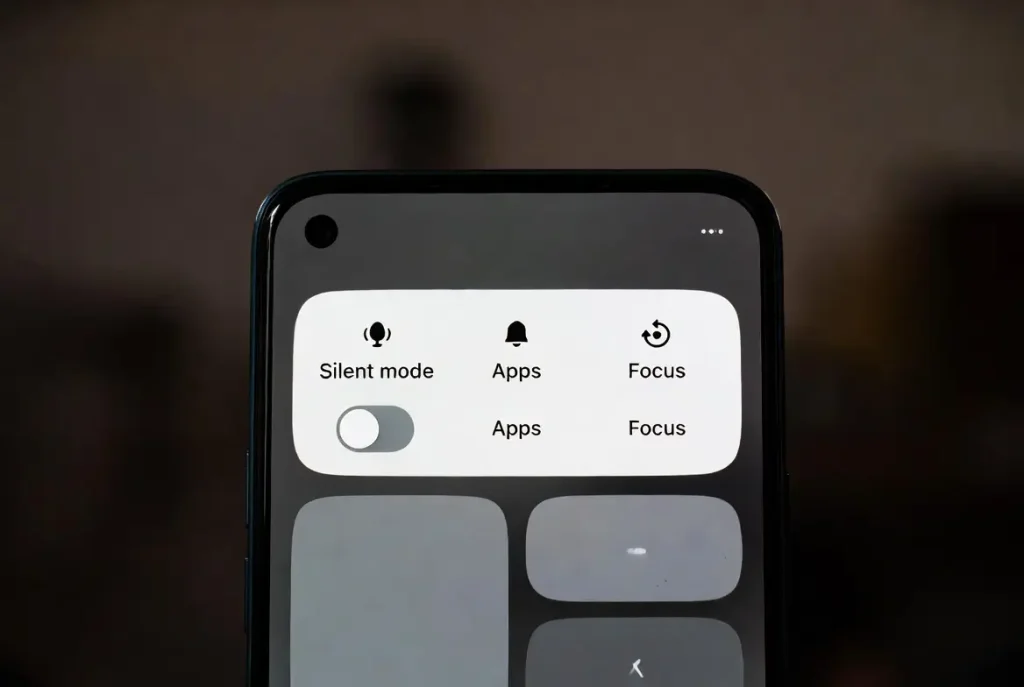
- 🔕 Reduce Distractions and Increase Focus: Managing notifications allows you to prioritize important alerts while silencing unnecessary ones. Constant notifications can disrupt productivity and cause stress. Customizing notification settings helps create a more focused environment. You can disable alerts for non-essential apps or set them to silent mode. This improves concentration and enhances overall smartphone usability.
🧠 9. Use Focus or Do Not Disturb Mode
- 🌙 Improve Productivity and Mental Clarity: Focus mode helps eliminate distractions by blocking notifications, calls, and messages during specific times. It is ideal for work, study, or relaxation. Scheduling this feature ensures uninterrupted time for important tasks. It also contributes to better mental well-being by reducing digital noise.
🧹 10. Free Up Storage Space
- 📂 Maintain Smooth Performance: Storage management is essential for preventing slowdowns. Deleting unused apps, duplicate files, and old media frees up space and improves performance. Using cloud storage can help manage large files efficiently. Keeping storage optimized ensures faster operation and better responsiveness.
🔐 11. Use Strong Security Features
- 🔑 Protect Your Device from Unauthorized Access: Using strong passwords, fingerprint, or face recognition enhances security. These features prevent unauthorized access and protect sensitive data. Modern smartphones offer advanced biometric systems that are both secure and convenient.
📡 12. Turn Off Unused Features
- 📶 Save Battery and Improve Efficiency: Disabling unused features like Bluetooth, GPS, and Wi-Fi helps conserve battery. These functions consume power even when idle. Turning them off when not needed extends battery life and improves efficiency.
🎯 13. Use Widgets for Productivity
- 🧩 Quick Access to Information: Widgets provide instant access to apps and information without opening them. They improve productivity and save time. Customizing widgets enhances user experience and makes navigation easier.
🔄 14. Limit Background Apps
- ⚙️ Boost Speed and Performance: Reducing the number of background apps frees up memory and improves speed. This is especially important for older devices with limited resources.
🌙 15. Enable Dark Mode
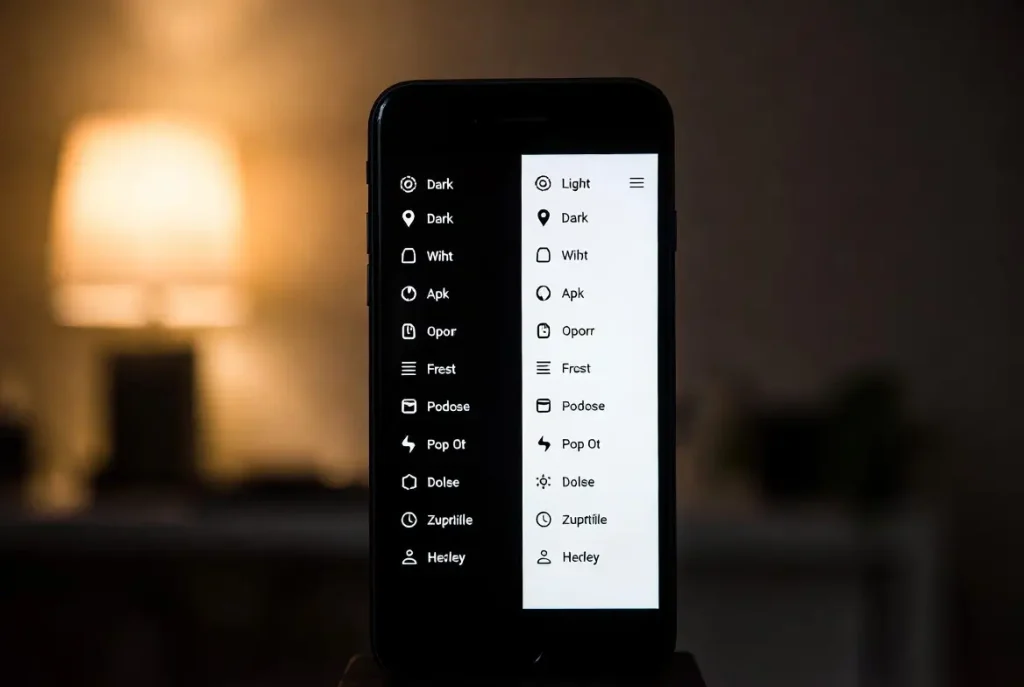
- 🌑 Reduce Eye Strain and Save Battery: Dark mode provides a comfortable viewing experience and reduces eye strain. It also saves battery on OLED screens, making it a popular feature among users.
📊 16. Monitor Data Usage
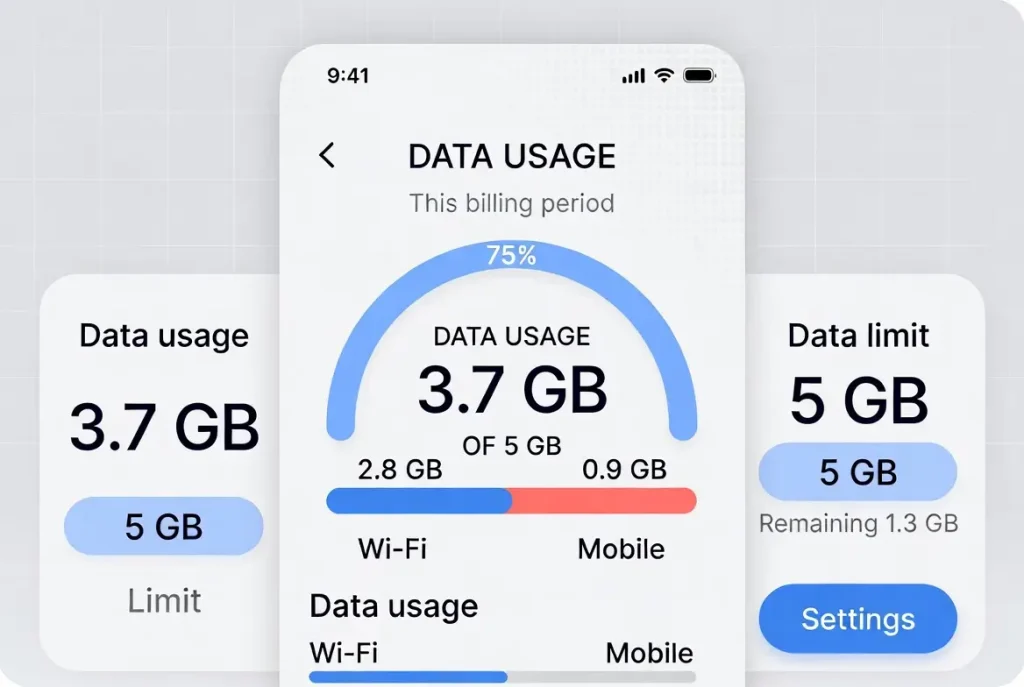
- 📈 Avoid Extra Charges: Tracking data usage helps manage consumption and avoid exceeding limits. Built-in tools allow users to set alerts and control usage effectively.
🔍 17. Use Smart Search Features
- 🔎 Save Time and Improve Efficiency: Advanced search features allow quick access to apps, files, and settings. This improves navigation and enhances productivity.
📥 18. Manage App Permissions
- 🛡️ Enhance Privacy Control: Reviewing app permissions ensures only necessary access is granted. This reduces security risks and protects personal data.
🔋 19. Optimize Battery Health
- ⚡ Extend Battery Lifespan: Avoid overcharging and extreme temperatures. Maintaining battery levels between 20% and 80% helps preserve long-term health.
🧭 20. Explore Hidden Features
- 🔍 Unlock Advanced Capabilities: Smartphones include hidden features that enhance usability. Exploring settings helps discover tools that improve efficiency and performance.
🏁 Conclusion: Master Your Smartphone in 2026
These Android & iPhone tips provide a complete roadmap to optimizing your smartphone experience. By applying these strategies, you can:
- Improve performance
- Extend battery life
- Enhance security
- Increase productivity
The key to success is consistency. Regular maintenance and smart usage will keep your device running efficiently for years.
❓ FAQs (SEO Optimized for Global Search Engines)
❓ What are the most important Android & iPhone tips?
The most important tips include managing battery usage, optimizing storage, updating software, and improving privacy settings.
❓ How can I improve smartphone performance?
You can improve performance by clearing cache, limiting background apps, and restarting your device regularly.
❓ Are these tips suitable for both Android and iPhone users?
Yes, these tips are designed to work for both platforms, although settings may vary slightly.
❓ How often should I optimize my phone?
Weekly optimization is recommended for best performance and long-term efficiency.
❓ Do these tips help with battery life?
Yes, following these tips can significantly improve battery performance and lifespan.






1 thought on “Top 20 Android & iPhone Tips and Tricks You Must Know in 2026”
Comments are closed.